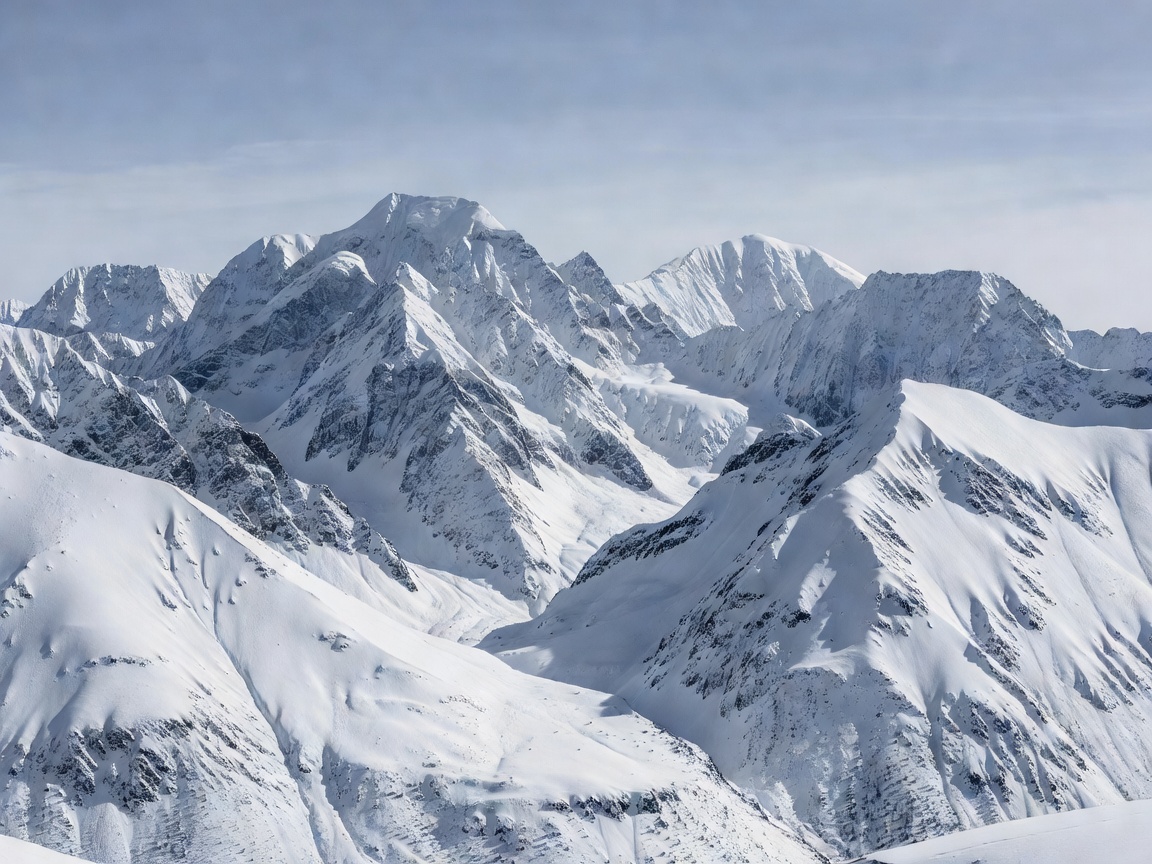
From the Himalayan monasteries of Ladakh to the high Andean hermitage caves, human spiritual traditions across continents have consistently sought elevation as a physical doorway to expanded mental clarity.
1. The Physiology of Elevation & Stillness
At high elevations above 3,000 meters, atmospheric pressure drops and oxygen density decreases. The body responds with heightened awareness, slower rhythmic breathing, and an enforced slowing down of physical movement. This physiological state naturally complements meditative stillness.
“Great things are done when men and mountains meet; this is not done by jostling in the street.” — William Blake
2. The Acoustics of Mountain Solitude
High mountain valleys exhibit ambient noise floors far lower than urban environments—often dropping below 15 decibels. In such profound quietude, internal mental chatter initially amplifies before giving way to remarkable tranquility.
3. Safe & Conscious Preparation
Exploring high-altitude sanctuaries requires deliberate acclimatization, proper thermoregulation gear, and humble respect for sudden alpine weather changes.